Dental Bone Graft
Indianapolis & Fishers, IN
At Implant Dentistry and Periodontics, we offer a wide range of periodontal and dental implant services. Our caring and compassionate team has one collective priority and that is your smile.
Dental bone grafting is an advanced, safe, and effective way of promoting healing and bone growth in your jaw
Losing a tooth can affect more than just your smile. When a tooth is missing, the jawbone that once supported it can gradually shrink because it no longer receives the same stimulation from chewing. Bone loss can also occur because of advanced gum disease or an injury. If you're considering dental implants but don't have enough healthy bone to support them, a dental bone graft may be needed before treatment can continue.
Bone grafting involves placing bone material or a bone substitute in an area of the jaw where additional support is needed. This material provides a framework for new bone to develop as the area heals. Over time, your own bone can grow into the grafted area, helping rebuild some of what has been lost. Grafting can also be performed shortly after a tooth extraction to help preserve the bone for a possible future implant.
How long does a bone graft take to heal? That depends on how much bone needs to be rebuilt and where the graft is placed. Some patients can have a dental implant placed at the same time as the graft, while others may need to wait several months for enough new bone to develop. Larger grafts can take longer to heal. We'll need to evaluate your jawbone before determining what treatment is necessary and how long the process might take.
Not everyone who has lost a tooth will need bone grafting. Even if you've been missing teeth for several years, you may still have enough bone to support an implant without additional surgery. An examination and dental imaging can help us determine how much bone is available and whether grafting would be beneficial.
At Implant Dentistry and Periodontics, we offer bone grafting and other procedures to help patients prepare for dental implants. If you're missing teeth or have been told that you don't have enough bone for implants, we can examine your jaw and go over your options. To schedule a consultation, call our Indianapolis office at 317-574-0600 or our Fishers office at 317-842-2273.
Award Winning Periodontics
in Indianapolis and Fishers
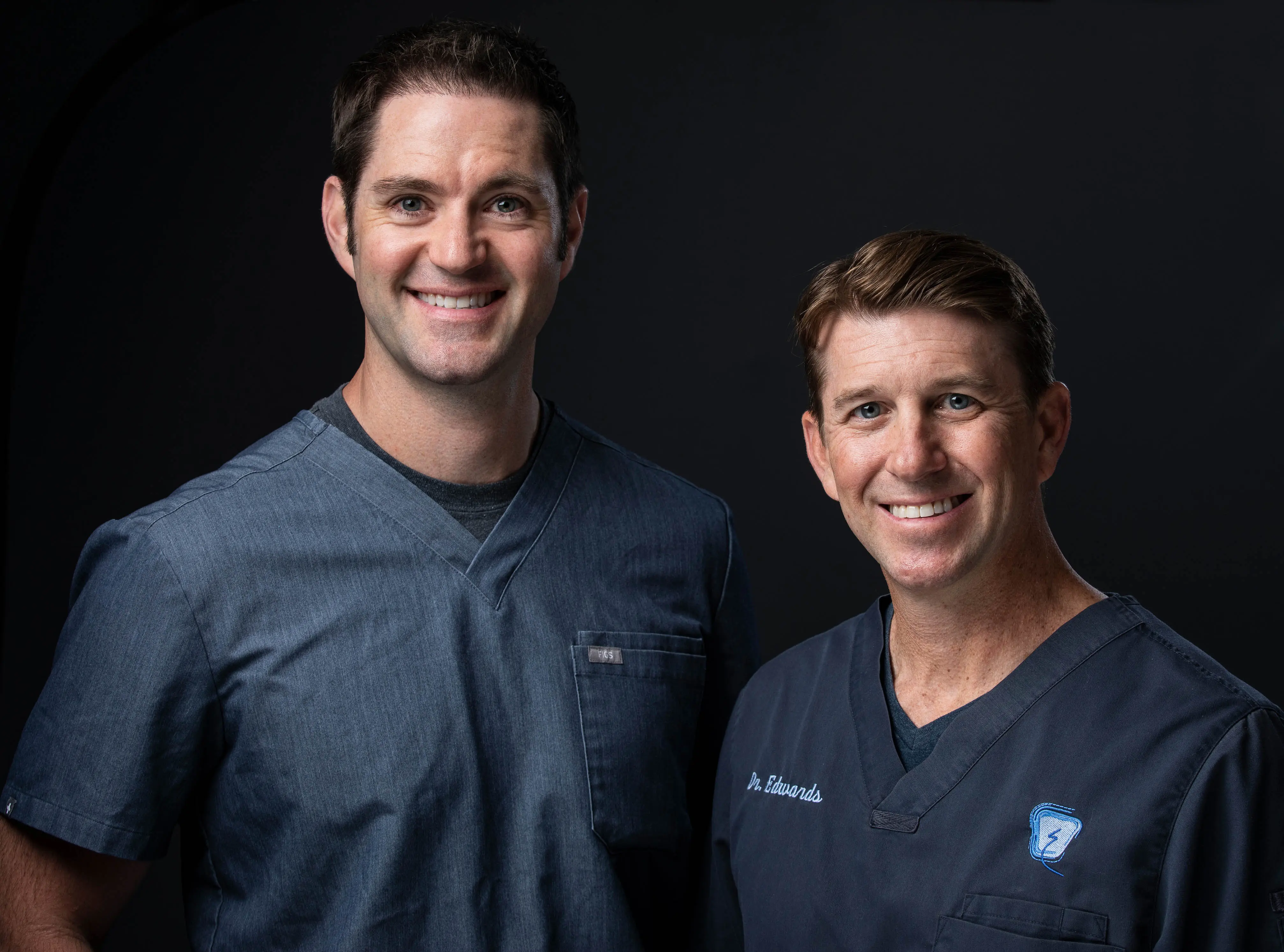
Dedication to providing the best periodontal care to Indianapolis and Fishers isn't just something Drs. Edwards and Christman talk about. They have gone above and beyond what most periodontists do to master his field of work. They have sought out further education to bring the most promising new treatments to their patients.
The Regeneration of the Jawbone
Dental implants positioned within the jawbone have become an increasingly popular and successful way to replace missing teeth with strong, stable, high-quality artificial teeth that feel, look, and function like your own natural teeth. Sometimes, though, the jawbone may not be dense enough or substantial enough to support dental implants successfully. There are many reasons this can happen. For example, when several teeth are missing, the jawbone will weaken and atrophy over time. Jawbone density is also negatively affected by other conditions, such as infection, trauma, surgery, gum disease, and congenital defects. Without a healthy and stable jawbone, a dental implant has a limited chance for the success it can deliver.
What are Some Benefits of Dental Bone Grafting?
There are several benefits related to having a bone grafting procedure performed, but the most important is that having a successful bone graft will allow Implant Dentistry and Periodontics to restore your smile with dental implants. A successful bone graft not only improves the aesthetic appearance and success of your dental implants, crowns, or even dentures; it will also improve their overall functionality. By meticulously restoring and replacing the structure and the jawbone mass, you will also decrease the likelihood of developing any issues at a later date.

At Implant Dentistry and Periodontics, we offer a wide range of periodontal and dental implant services. Our caring and compassionate team has one collective priority and that is your smile.
Contact Our Team Today
The Dental Bone Graft Procedure
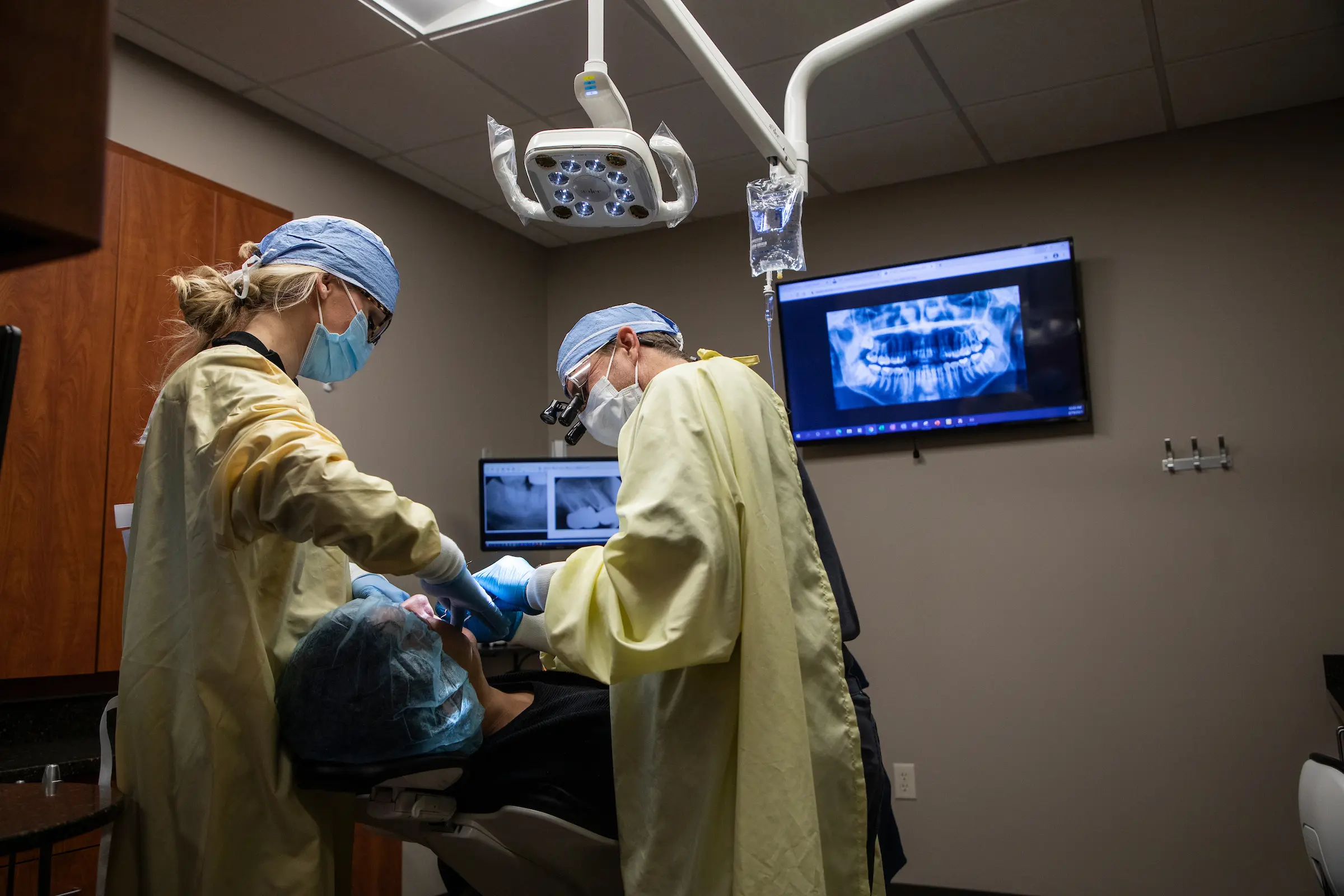
After the administration of a local anesthetic and the tissue is sufficiently numb, we will fold back part of the gum tissue, clean out any unnecessary or infected gum tissue, creating a pocket for the grafting substance. Then the selected bone grafting material is placed, which works with the body to help build new bone.
In some cases, the Implant Dentistry and Periodontics experts may choose to place a special membrane over the graft to protect the graft and also promote and encourage healthy bone growth. These membranes usually dissolve on their own. The staff at Implant Dentistry and Periodontics will discuss with you all the details about your specific procedure so that you know exactly what to expect.
How Does the Grafting Works?
Usually, the bone grafting procedure involves using material to augment and grow new bone. This material is simply added to your existing tissue. Healing begins immediately after we complete the bone graft procedure. Once you begin to grow new bone, we will test it to be sure that the graft is stable and secure.
Once the team at Implant Dentistry and Periodontics is confident the bone graft is strong and secure, we can begin the process of placing your dental implants and your new artificial teeth.
Dental Bone Grafting Success
Although most patients find dental bone graft procedures’ results phenomenally successful, that success is not a promised outcome. There are no guarantees in life. Your graft is most likely to fail and not develop if you have or contract an infection in your mouth. If this is indeed the case, we will consult with you about other ways to treat the issue.
Even though bone grafting is becoming more and more commonplace, you should always keep in mind that it is still an undertaking that takes time and patience. The bone grafting material must integrate with your natural bone, which simply takes time.
State of the Art Technology
For Advanced Periodontics
Offering the best periodontal care in the world requires the most advanced technology in the world. Drs. Edwards and Christman are always in search of new ways to provide patients with better results and do so in a way that minimizes pain and recovery time. They are also happy to adopt technologies that make it easier to communicate with patients and allow us to do our jobs in more environmentally friendly ways.
Earning your Trust with High Quality Periodontal Care
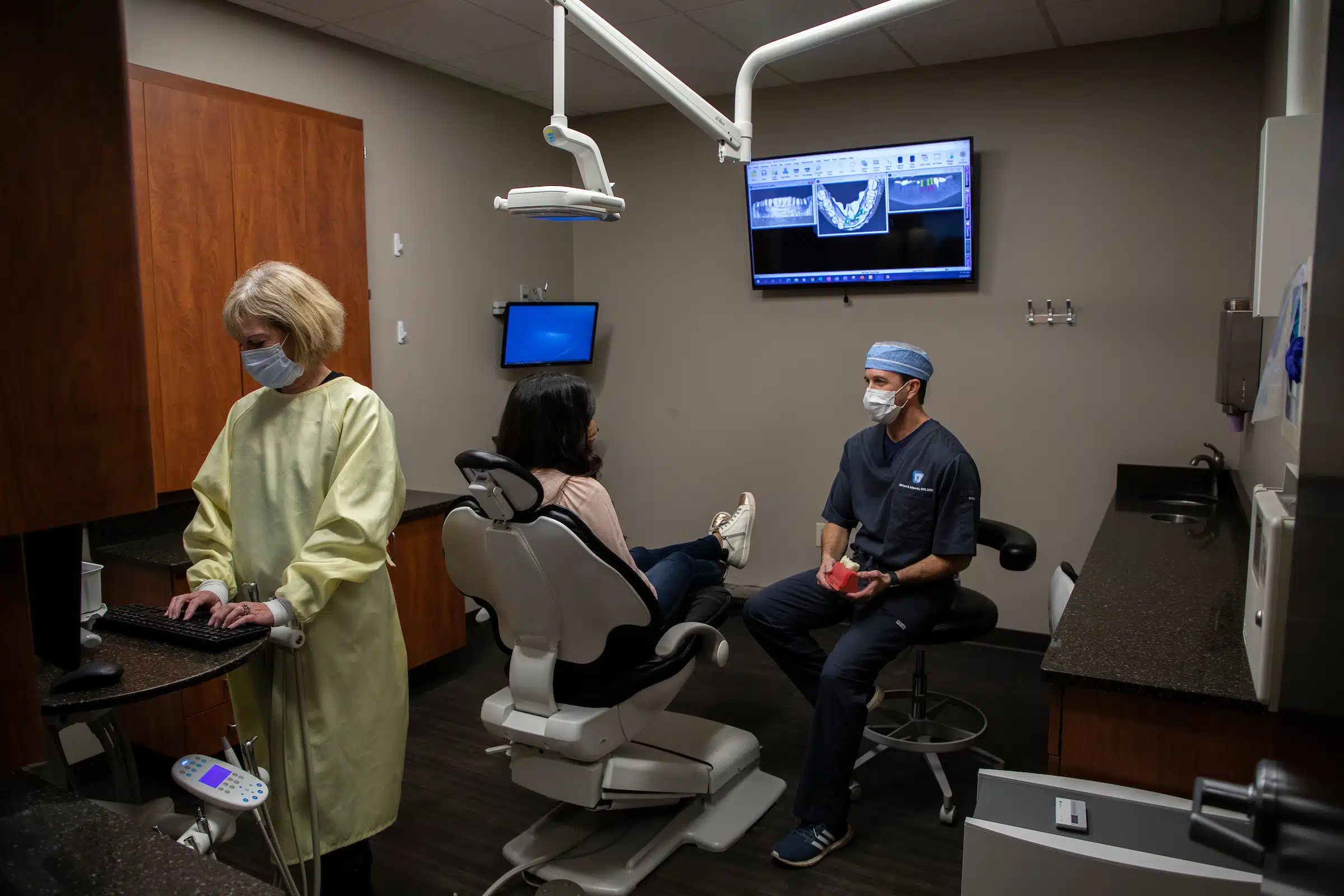
At Implant Dentistry and Periodontics, we know that every patient comes to us with different concerns. Before recommending treatment, we want to hear what's bothering you, what you'd like to accomplish, and what your budget is. From there, we'll go over your options and help you decide what makes the most sense for your situation. Our office also uses modern dental technology to assist with planning and treatment.
We know that dental appointments aren't exactly something most people look forward to. That's why we make a point of explaining what to expect, giving you time to ask questions, and doing what we can to keep you comfortable during your visit. If you'd like to schedule an appointment, you can reach our Indianapolis office at 317-574-0600, located at 8801 North Meridian St., Suite 103, or our Fishers office at 317-842-2273, located at 9885 E. 116th St., Suite 300.