
Wisdom Teeth Removal
Indianapolis & Fishers, IN
At Implant Dentistry and Periodontics, we offer a wide range of periodontal and dental implant services. Our caring and compassionate team has one collective priority and that is your smile.
If you're having trouble with your wisdom teeth or have been told they should be removed, Implant Dentistry and Periodontics can examine the area and go over your options
Wisdom teeth have a reputation for causing trouble, but that doesn't mean everyone needs theirs removed. These third molars usually begin coming in during the late teens or early twenties, long after the rest of your permanent teeth have appeared. Some people never develop wisdom teeth, while others have all four and go through life without any problems.
The trouble usually starts when a wisdom tooth doesn't have enough room to come in properly. It might grow sideways, remain buried beneath the gums, or only emerge partway. A partially erupted tooth can be particularly troublesome because food and bacteria can collect around it, making the area difficult to clean. This can lead to swollen gums, infection, or cavities. In some cases, an impacted wisdom tooth may also damage the molar next to it.
But having an impacted wisdom tooth doesn't automatically mean it needs to come out. Some can remain in place without causing problems, provided they're monitored for signs of disease or damage. Others may need to be removed even when they aren't painful. An examination, along with X-rays when needed, can help determine whether extraction is the better choice.
You may first notice a problem when the gums behind your molars become sore or swollen. Sometimes, though, your dentist will spot an issue during a routine examination before you experience any discomfort. Either way, it's worth finding out what's going on rather than waiting for the pain to get worse.
If you're having trouble with your wisdom teeth or have been told they should be removed, Implant Dentistry and Periodontics can examine the area and go over your options. You can schedule an appointment at our Indianapolis office by calling 317-574-0600, or contact our Fishers office at 317-842-2273.
Award Winning Periodontics
in Indianapolis and Fishers
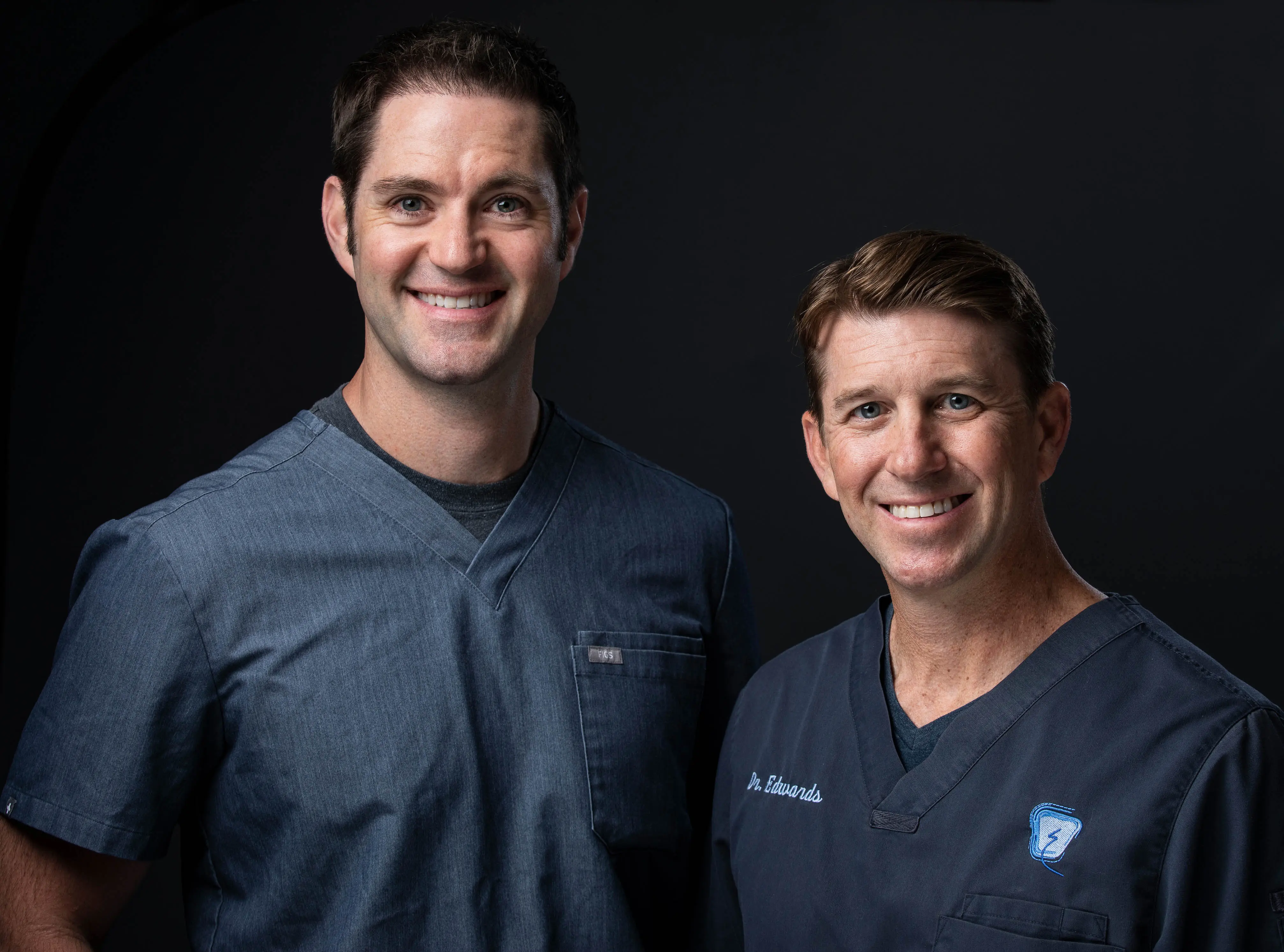
Dedication to providing the best periodontal care to Indianapolis and Fishers isn't just something Drs. Edwards and Christman talk about. They have gone above and beyond what most periodontists do to master his field of work. They have sought out further education to bring the most promising new treatments to their patients.
Reasons for Wisdom Teeth Removal
As wisdom teeth struggle to find room in your crowded mouth, these teeth can grow in sideways, partially emerge, or even remain impacted under the gums. Wisdom teeth can cause obvious issues such as misaligned and crowded teeth. They can also cause many unseen and serious problems, such as jaw and nerve damage. Whether your wisdom teeth have come in or not, they may be causing problems that could include:
- Infection: Infection is the most common result of impacted wisdom teeth that have not been removed. When there is not enough room for your wisdom teeth to erupt, the tissue surrounding the tooth can become irritated, which will lead to the development of an infection with symptoms such as sensitivity, pain, or swelling.
- Crowding: Untreated wisdom teeth can result in you developing the crowding of your teeth, which is most noticeable with your front teeth. There are several different factors that contribute to teeth crowding in adulthood, but retained wisdom teeth are one of the leading reasons.
- Cyst Formation: When a wisdom tooth remains impacted, it is not uncommon for non-infectious cysts to form. Cysts can develop inside your jawbone and then gradually expand, which can subsequently destroy your jawbone or even other teeth. Delaying the removal of wisdom teeth has also been believed to cause tumors to develop.
- Damage to Adjacent Teeth: When there is not enough room to clean around an erupted wisdom tooth, the surrounding teeth cannot receive the type of cleaning necessary to remain healthy, which will result in the development of gum disease, decay, and bone loss.
Wisdom Teeth Removal Procedure
Implant Dentistry and Periodontics may recommend sedation for your procedure. With conscious sedation, your consciousness will be slightly depressed for the procedure. This will increase your state of relaxation, reduce anxiety, and create a slightly amnesic effect, thus helping you forget much of the time spent during the procedure. Because of the intensity of the sedation effects, we will not allow you to drive after the procedure, so be sure to have someone available to drive you home. We will discuss your preferred anesthesia level prior to having your wisdom teeth removed.
Once you are properly sedated, Implant Dentistry and Periodontics will begin removing the impacted wisdom teeth by opening the gum tissue that is located directly over the tooth. The tooth will be extracted, or, if necessary, cut into smaller pieces and then removed. Your procedure will likely require sutures, which usually take 3-5 days to dissolve.
Once the wisdom tooth has been removed and the anesthesia has worn off, you will be allowed to leave in the care of a responsible adult. We will prescribe pain medication if necessary, but it is best to stick with over-the-counter anti- inflammatory medications.

At Implant Dentistry and Periodontics, we offer a wide range of periodontal and dental implant services. Our caring and compassionate team has one collective priority and that is your smile.
Contact Our Team Today
Wisdom Teeth Removal Aftercare
You may experience some minor bleeding and pain on the first day. Your reaction to surgery may vary from mild discomfort to severe pain. Some swelling can be expected following the surgery. The swelling usually peaks on the second day and should begin subsiding on the third day. You can limit the amount of swelling by using ice for the entire first day. The more ice you use the first day, the less swelling you are likely to have on the second day. On the third day, you may notice that your jaw muscles are stiff, and it is tougher to open your mouth normally. You can now apply moist heat to your face on the second and third day, allowing your muscles to relax more and open wider. It is also wise to limit your physical activities for a few days. We will ask that you follow your post-operative instructions closely. By following the instructions, you will be as comfortable as possible during the first few days following your procedure. Please give your body a chance to heal before resuming an active social, academic, or athletic schedule. It should only take your recovery three to five days.
State of the Art Technology
For Advanced Periodontics
Offering the best periodontal care in the world requires the most advanced technology in the world. Drs. Edwards and Christman are always in search of new ways to provide patients with better results and do so in a way that minimizes pain and recovery time. They are also happy to adopt technologies that make it easier to communicate with patients and allow us to do our jobs in more environmentally friendly ways.
Earning your Trust with High Quality Periodontal Care
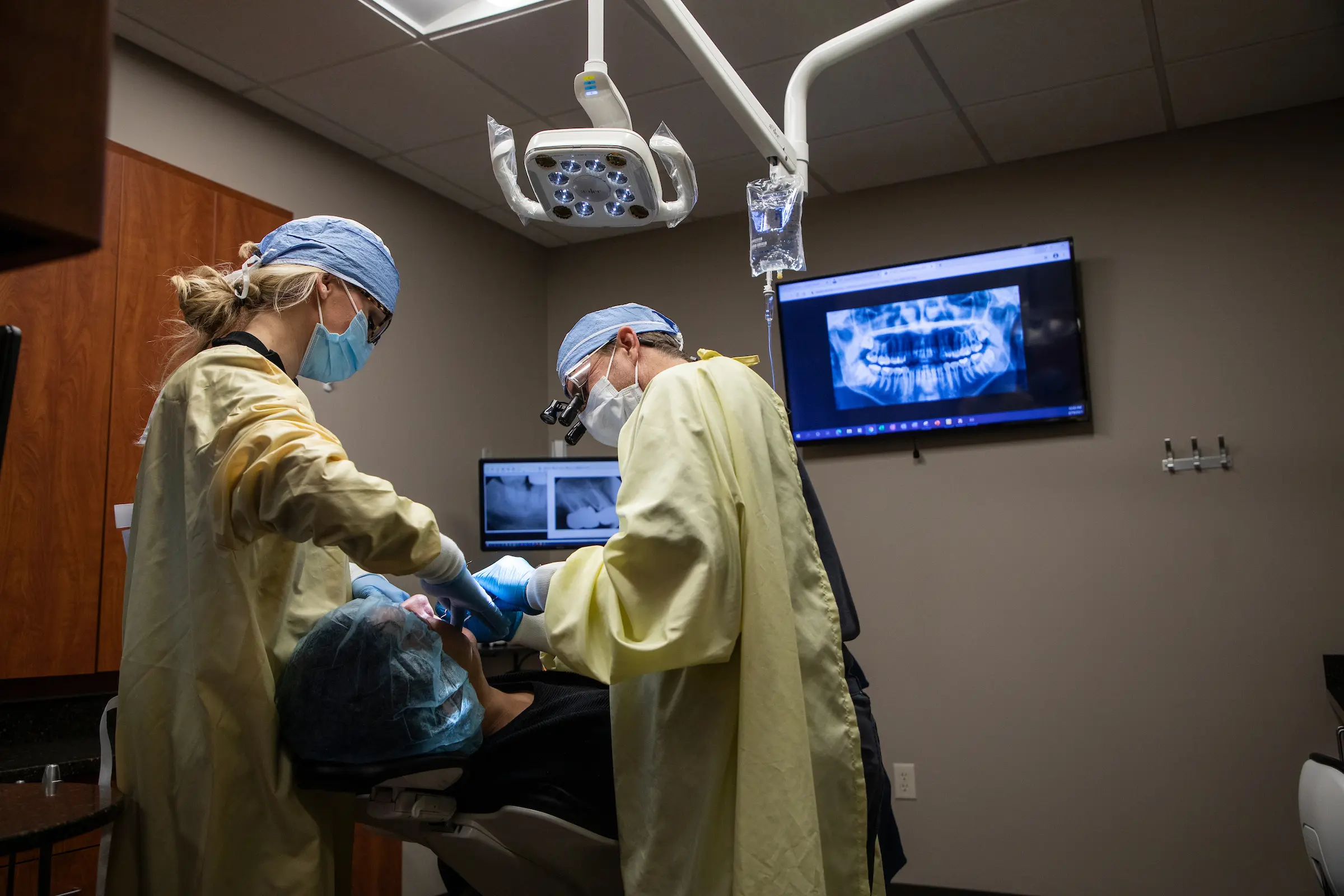
At Implant Dentistry and Periodontics, we know that every patient comes to us with different concerns. Before recommending treatment, we want to hear what's bothering you, what you'd like to accomplish, and what your budget is. From there, we'll go over your options and help you decide what makes the most sense for your situation. Our office also uses modern dental technology to assist with planning and treatment.
We know that dental appointments aren't exactly something most people look forward to. That's why we make a point of explaining what to expect, giving you time to ask questions, and doing what we can to keep you comfortable during your visit. If you'd like to schedule an appointment, you can reach our Indianapolis office at 317-574-0600, located at 8801 North Meridian St., Suite 103, or our Fishers office at 317-842-2273, located at 9885 E. 116th St., Suite 300.