Guided Tissue Regeneration
Indianapolis & Fishers, IN
At Implant Dentistry and Periodontics, we offer a wide range of periodontal and dental implant services. Our caring and compassionate team has one collective priority and that is your smile.
Guided Tissue Regeneration is a technique using a combination of both bone grafting and membrane placement to guide and direct bone formation
When gum disease has damaged the bone and tissues around your teeth, cleaning away the bacteria may not be enough to repair what's already been lost. In certain cases, guided tissue regeneration (GTR) can help your body rebuild some of these supporting structures. The procedure is generally used when periodontitis has left areas of bone loss around teeth that might benefit from regenerative treatment.
One of the challenges with rebuilding bone is that gum tissue heals faster than the structures underneath it. If the gums grow into the damaged area too quickly, they can interfere with the formation of new bone and supporting tissue. Guided tissue regeneration addresses this problem by placing a thin barrier membrane over the affected area. The membrane keeps the faster-growing soft tissue out of the space, giving the slower-growing tissues underneath a better opportunity to heal.
Before placing the membrane, the periodontist cleans the area around the tooth roots and removes any remaining plaque and tartar. Bone grafting material may also be added to help support new bone growth, although it isn't necessary in every case. Healing takes time, usually several months, and the amount of tissue that can be regenerated varies from patient to patient.
Not everyone with periodontal disease will need guided tissue regeneration. The amount of bone that's been lost, the shape of the damaged area, and the overall condition of your gums all help determine whether the procedure is appropriate. Even after treatment, regular periodontal maintenance and good brushing and flossing habits are important for keeping the disease under control.
At Implant Dentistry and Periodontics, we can examine your gums and supporting bone to determine whether guided tissue regeneration or another periodontal treatment would be beneficial. If you have questions or would like to schedule a consultation, call our Indianapolis office at 317-574-0600 or our Fishers office at 317-842-2273.
Award Winning Periodontics
in Indianapolis and Fishers
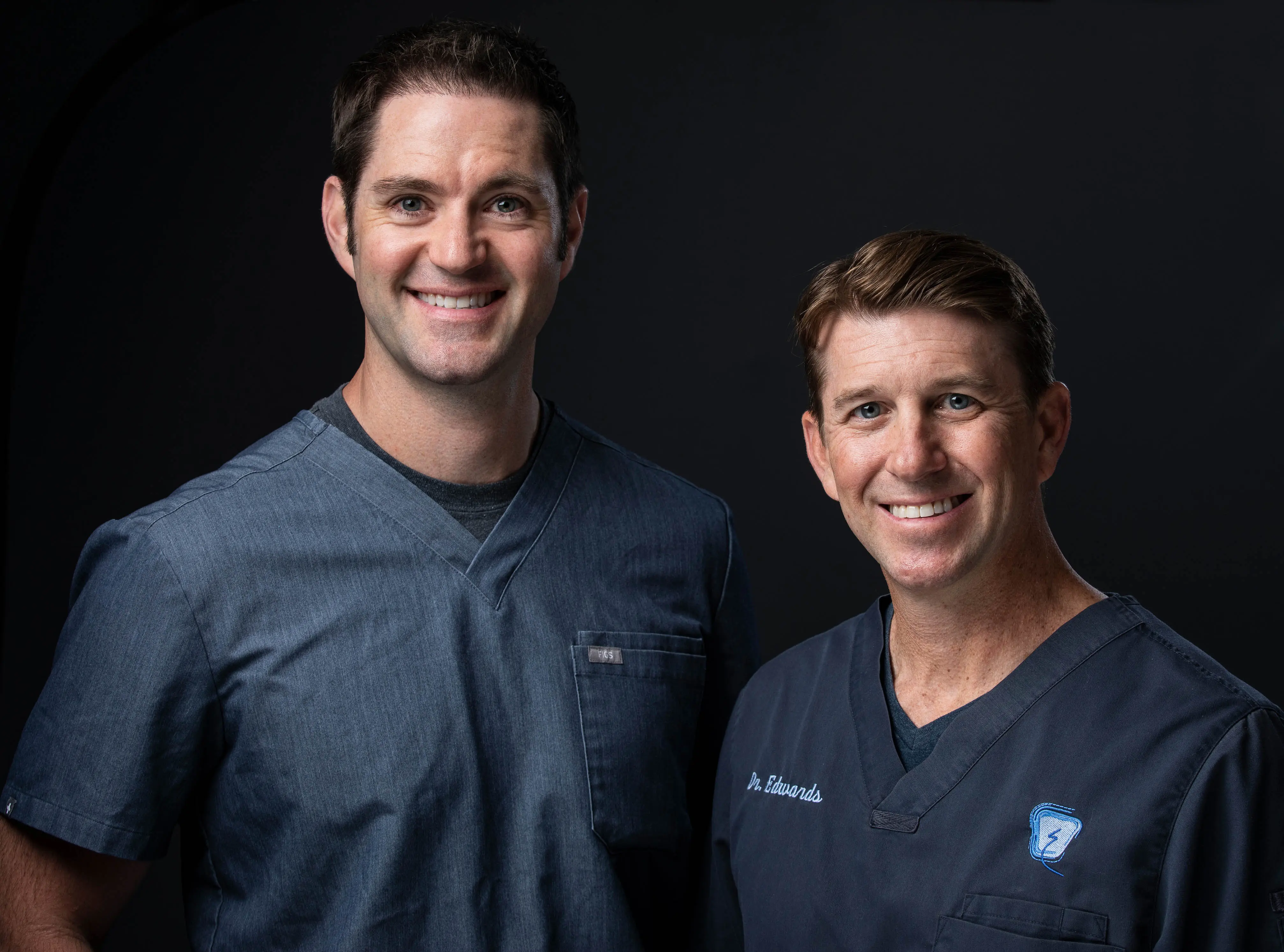
Dedication to providing the best periodontal care to Indianapolis and Fishers isn't just something Drs. Edwards and Christman talk about. They have gone above and beyond what most periodontists do to master his field of work. They have sought out further education to bring the most promising new treatments to their patients.
The Goal of Guided Tissue Regeneration
The goal of guided tissue regeneration is to encourage your jawbone tissue to grow so that it can provide a stable, secure, and strong support system for restorative dental implants. Developed forty years ago, guided tissue regeneration has been studied for decades, with the continuous improvement in technologies making the process even more efficient and more comfortable than ever before.
In addition to dental implants, guided tissue regeneration is also used often to strengthen sockets where teeth have been recently lost and to bolster any bone tissue that has been damaged by tumors, cysts, or impacted teeth. Guided tissue regeneration can also be used if you have any congenital dental disorders or if you have suffered from diseases that affect the strength of your oral tissues or underlying bone.
Guided tissue regeneration at Implant Dentistry and Periodontics can also be used to encourage the growth of ligaments, connective tissue, and other periodontal structures.
The Guided Tissue Regeneration Procedure
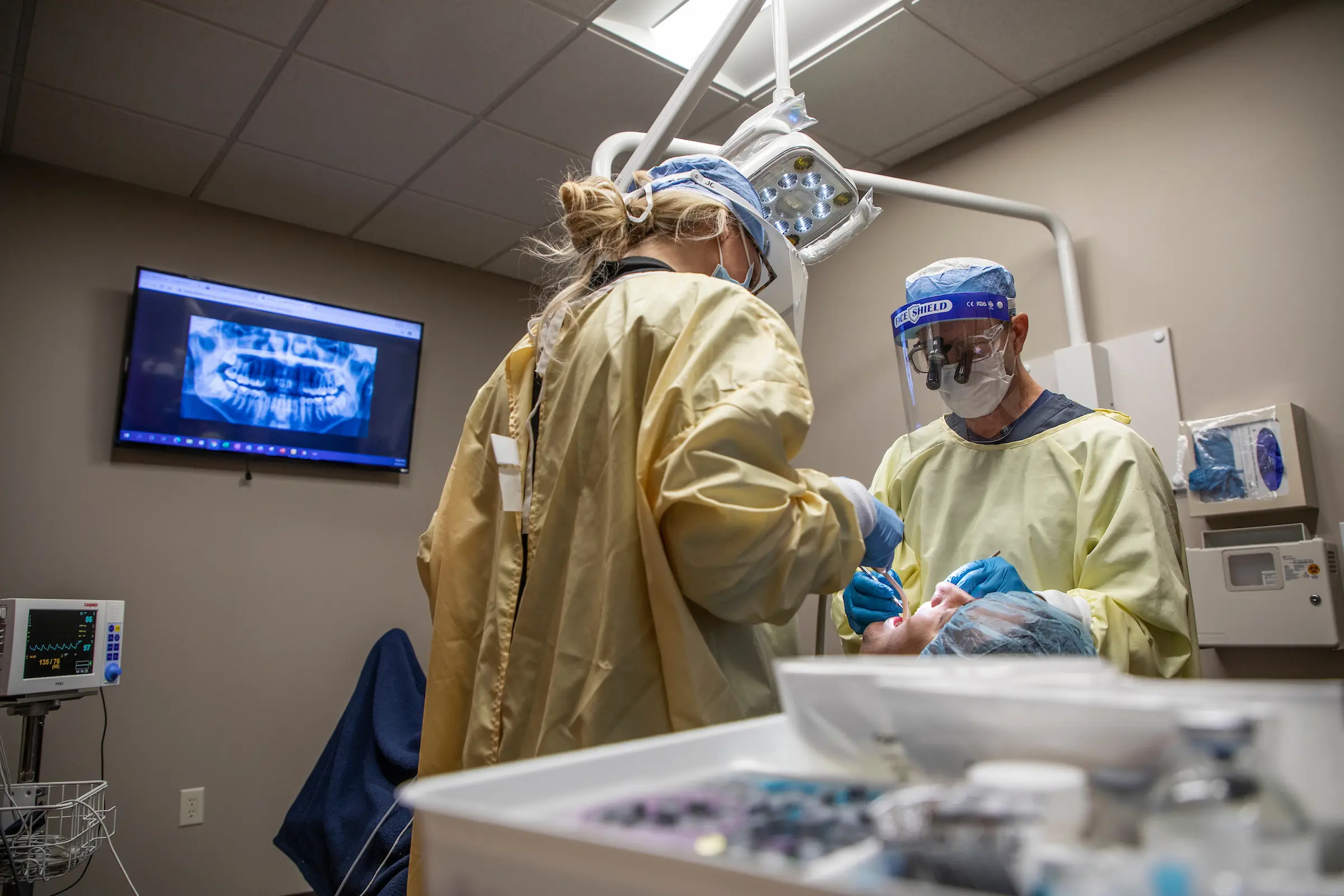
Guided tissue regeneration regrows gums that were worn away or destroyed by bacteria. The staff at Implant Dentistry and Periodontics will usually begin with a cone beam CT scan to accurately evaluate the damage. Depending on how severe your case is, guided tissue regeneration might then be our solution.
The procedure usually involves inserting a membrane over the affected bone to bolster the teeth and to promote growth. We will use tiny portions of your bone or a synthetic version to accelerate growth and to reclaim the space that was most recently infected. Sometimes we may place an organic wall over the damaged bone to create space for the bone to actually grow into. Most often these organic walls degrade on their own, but some may not. Those that are not resorbed will then need to be removed in a second dental procedure after the bone has sufficiently healed.
At Implant Dentistry and Periodontics, we offer a wide range of periodontal and dental implant services. Our caring and compassionate team has one collective priority and that is your smile.
Contact Our Team Today
Your Recovery from a Guided Tissue Regeneration Procedure
After the procedure is finished, we will ask you to do a few things to make sure that you heal and recover properly:
- Medications to reduce the risk of infection: If we prescribe medicine, follow the directions as indicated. Usually, we will prescribe some type of antibiotic.
- Medications to reduce post-operative discomfort: Most of these procedures are managed with over-the-counter medications. We will help design the best plan for you so that you can stay comfortable.
- Ice pack: For the first six hours after your surgery, it is advised to apply an ice pack to your face twice an hour for ten minutes each time.
- Sleep on an Incline: You should sleep with your head elevated so that your head is above your heart. This little effort will reduce swelling and will make your recovery more comfortable.
- Dental Hygiene: Do not brush your teeth for seven days after the surgery. Instead, just use a Q-tip and be very gentle. Do not floss your teeth for three weeks; otherwise, you will accidentally remove stitches.
State of the Art Technology
For Advanced Periodontics
Offering the best periodontal care in the world requires the most advanced technology in the world. Drs. Edwards and Christman are always in search of new ways to provide patients with better results and do so in a way that minimizes pain and recovery time. They are also happy to adopt technologies that make it easier to communicate with patients and allow us to do our jobs in more environmentally friendly ways.
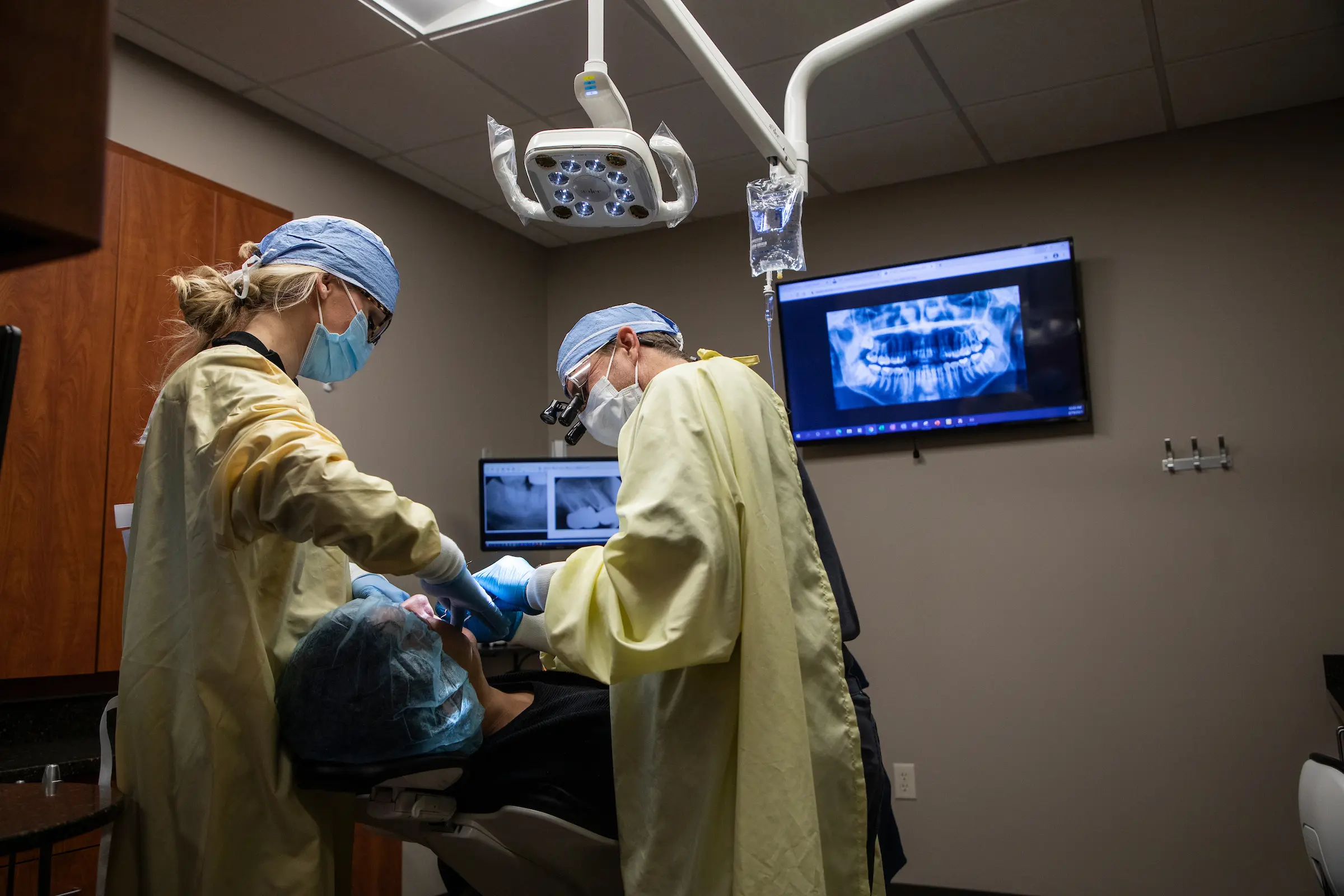
Earning your Trust with High Quality Periodontal Care
At Implant Dentistry and Periodontics, we know that every patient comes to us with different concerns. Before recommending treatment, we want to hear what's bothering you, what you'd like to accomplish, and what your budget is. From there, we'll go over your options and help you decide what makes the most sense for your situation. Our office also uses modern dental technology to assist with planning and treatment.
We know that dental appointments aren't exactly something most people look forward to. That's why we make a point of explaining what to expect, giving you time to ask questions, and doing what we can to keep you comfortable during your visit. If you'd like to schedule an appointment, you can reach our Indianapolis office at 317-574-0600, located at 8801 North Meridian St., Suite 103, or our Fishers office at 317-842-2273, located at 9885 E. 116th St., Suite 300.