
Gum Recession
Indianapolis & Fishers, IN
At Implant Dentistry and Periodontics, we offer a wide range of periodontal and dental implant services. Our caring and compassionate team has one collective priority and that is your smile.
Gum recession exposes the roots of your teeth, making the teeth appear longer than they normally should
Gum recession occurs when the gum tissue surrounding your teeth gradually pulls back, exposing more of the tooth and sometimes its root. As this happens, your teeth may begin to look longer than they used to. Exposed roots can also make your teeth more sensitive to hot or cold foods and drinks. Because tooth roots aren't protected by the same hard enamel that covers the crowns of your teeth, they're more vulnerable to decay and damage.
There are several reasons why your gums might begin to recede. Periodontal disease is one possible cause, but brushing too aggressively, genetics, naturally thin gum tissue, and the position of your teeth can also play a role. In some cases, gum recession may develop during or after orthodontic treatment, particularly when the gum tissue is already thin.
One of the challenges with gum recession is that it often develops so gradually that you might not notice anything is wrong. You may first become aware of it when a tooth looks longer than the others or starts feeling sensitive. Although receding gums generally won't grow back on their own, treatment can help address the underlying cause and reduce the risk of further damage. Depending on the extent of the recession, treatment may involve changes to your brushing habits, periodontal care, or a gum graft to cover exposed roots.
Gum recession can also be a sign of more serious periodontal problems. When periodontitis is responsible, the infection and inflammation can damage the tissues and bone supporting your teeth. Without treatment, this damage may eventually cause teeth to become loose or lead to tooth loss. This is one reason it's important to have changes in your gumline evaluated, even if you aren't experiencing any pain.
At Implant Dentistry and Periodontics, we offer a variety of treatments for gum recession and other periodontal concerns. We'll examine your gums, look for possible causes of the recession, and discuss what can be done to protect your teeth. If you've noticed changes in your gumline or are concerned about exposed tooth roots, call our Indianapolis office at 317-574-0600 or our Fishers office at 317-842-2273 to schedule an appointment.
Award Winning Periodontics
in Indianapolis and Fishers
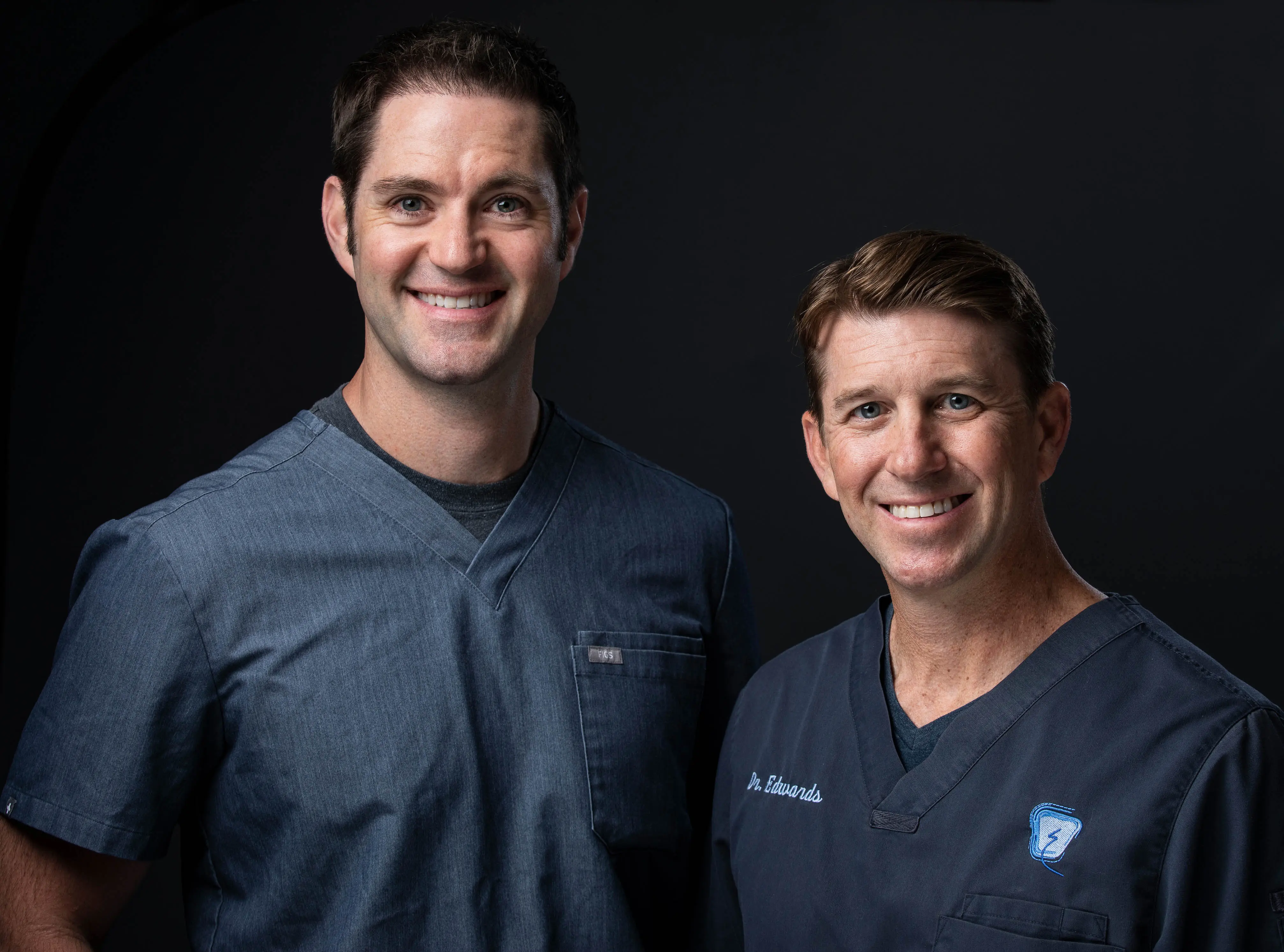
Dedication to providing the best periodontal care to Indianapolis and Fishers isn't just something Drs. Edwards and Christman talk about. They have gone above and beyond what most periodontists do to master his field of work. They have sought out further education to bring the most promising new treatments to their patients.
Some Common Causes of Gum Recession
The most common causes of gum recession are:
- Severe periodontitis, gum disease- Once bacteria begin to build up along the gum line, it can cause gum disease to develop. This affliction needs to be treated immediately because it will cause excessive bleeding and plaque buildup below the gum line. If you have reached this stage of gum disease, we will need to schedule an initial series of deep cleanings and regular checkups. You may need to consider tissue and root therapy, or even more intensive procedures to address the disease.
- Misaligned teeth-This ailment is caused by the uneven alignment of teeth due to an incorrect bite. If you are suffering from malocclusion, you may notice excessive wear, tearing, and strain on your teeth and gums. If this is left untreated or uncorrected, your gums will eventually begin to recede. This will also result in bone loss, which in turn results in you losing a tooth or teeth.
- Inadequate earlier dental hygiene-If brushing and flossing are performed incorrectly or not at all, a plaque build-up will begin to affect your teeth. The plaque contains damaging bacterial toxins which will promote infection and erode the underlying jawbone.
- Overly aggressive brushing or flossing- Over brushing can almost be as damaging to the gums as too little. Brushing too hard or brushing with a hard-bristled toothbrush will erode the tooth enamel at the gum line, and then irritate or inflame the gum tissue.
- Tobacco products- Any kind of tobacco use has devastating and damaging effects on your entire oral cavity. Chewing tobacco aggravates the gingival lining of the mouth and causes gum recession if used continuously.
- Genetics- Gum disease and gum recession can be the result of your genetic predisposition. You should try to learn as soon as possible if this is the case, so that Implant Dentistry and Periodontics can take preventative measures to lessen the impacts and learn about available treatments and preventative procedures that can help improve any damage caused by recession or disease.

At Implant Dentistry and Periodontics, we offer a wide range of periodontal and dental implant services. Our caring and compassionate team has one collective priority and that is your smile.
Contact Our Team Today
Symptoms that may be Indicative of Gum Recession
Gum recession is an incredibly widespread problem that Implant Dentistry and Periodontics diagnose and treat daily. Here are a few telling symptoms:
- Sensitive teeth – When your gums recede enough to expose the cementum protecting the tooth root, the dentin tubules beneath will become more susceptible to external stimuli.
- Visible roots – One of the main characteristics of a more severe case of gum recession.
- Longer-looking teeth – If you are experiencing gum recession, you may have a “toothy” smile. The length of the teeth is normal, but the gum tissue has been lost, making the teeth appear longer.
- Halitosis, inflammation, and bleeding – These symptoms are quite characteristic of gingivitis or gum disease. A bacterial infection that causes gum recession will cause tooth loss if not treated promptly.
Treatment of Gum Recession
Every case of gum recession is slightly different, and therefore many treatments are available in Implant Dentistry and Periodontics. The nature of the problem that caused the gum recession to begin with needs to be addressed first.
If overly aggressive brushing techniques are eroding your gums, a softer toothbrush and a gentler brushing technique will be advised. If poor oral hygiene is a problem, a good professional dental cleaning may be recommended to rid the gum pockets of debris and bacteria. In the case of a severe tartar buildup, we will perform a scaling and root planing procedure to heal the gingival inflammation and clean the teeth.
Once the cause of the gum recession has been addressed, we may recommend a surgery of a more cosmetic or restorative nature. Gum tissue regeneration and gum grafting are two excellent ways to restore natural symmetry to the gums and make your smile look more aesthetically pleasing again.
State of the Art Technology
For Advanced Periodontics
Offering the best periodontal care in the world requires the most advanced technology in the world. Drs. Edwards and Christman are always in search of new ways to provide patients with better results and do so in a way that minimizes pain and recovery time. They are also happy to adopt technologies that make it easier to communicate with patients and allow us to do our jobs in more environmentally friendly ways.
Earning your Trust with High Quality Periodontal Care
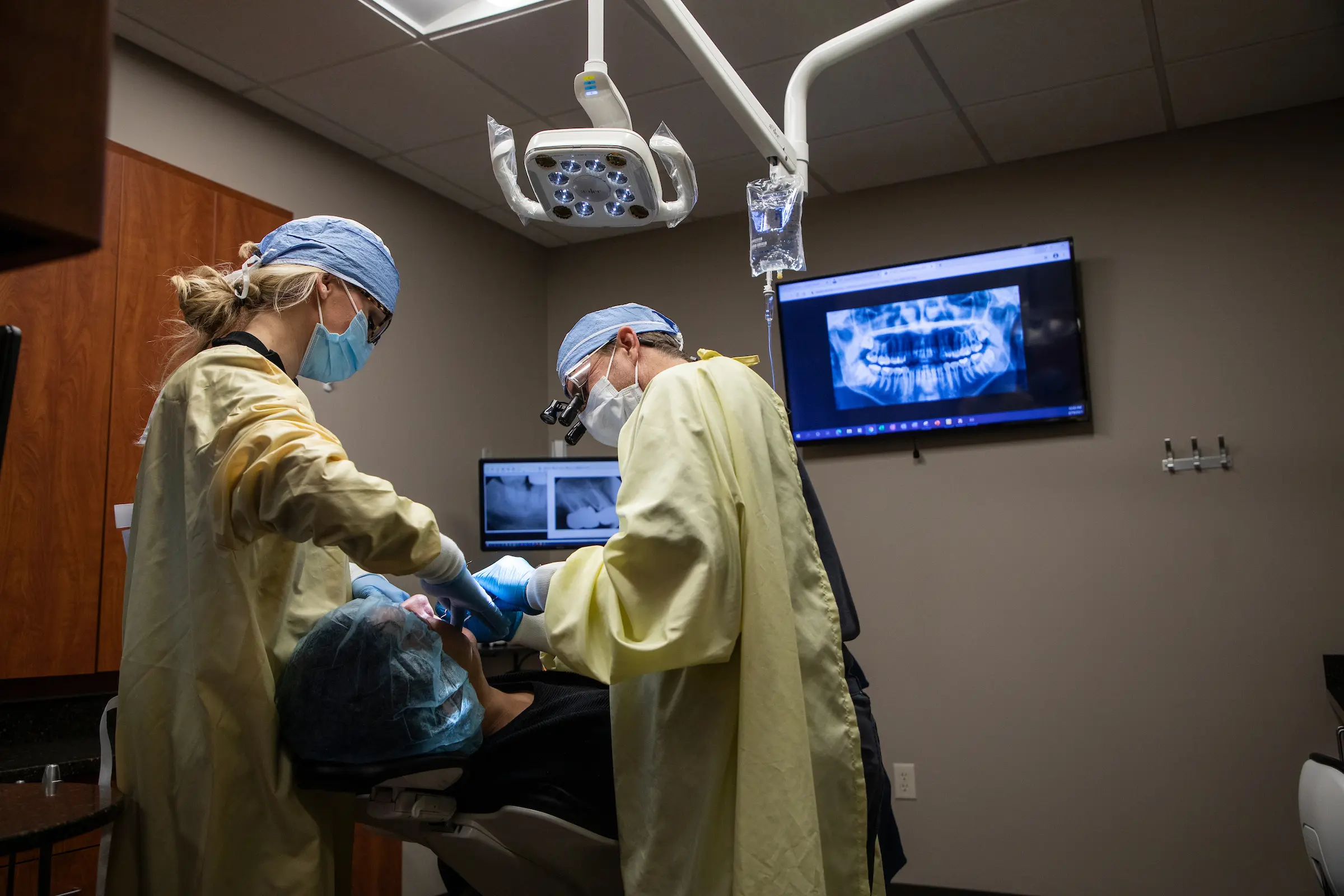
At Implant Dentistry and Periodontics, we know that every patient comes to us with different concerns. Before recommending treatment, we want to hear what's bothering you, what you'd like to accomplish, and what your budget is. From there, we'll go over your options and help you decide what makes the most sense for your situation. Our office also uses modern dental technology to assist with planning and treatment.
We know that dental appointments aren't exactly something most people look forward to. That's why we make a point of explaining what to expect, giving you time to ask questions, and doing what we can to keep you comfortable during your visit. If you'd like to schedule an appointment, you can reach our Indianapolis office at 317-574-0600, located at 8801 North Meridian St., Suite 103, or our Fishers office at 317-842-2273, located at 9885 E. 116th St., Suite 300.