
Oral Cancer Screening
Indianapolis & Fishers, IN
At Implant Dentistry and Periodontics, we offer a wide range of periodontal and dental implant services. Our caring and compassionate team has one collective priority and that is your smile.
Oral cancer can develop in several parts of your mouth
Oral cancer can develop in several areas of your mouth, including your tongue, lips, gums, cheeks, and the roof or floor of your mouth. Cancer can also develop farther back in the throat, including around the tonsils and the base of the tongue. One of the difficulties with these cancers is that the early signs aren't always obvious. You may have a small sore that doesn't heal, an unusual patch of tissue, or a lump that doesn't cause any pain.
During an oral cancer screening, we look for changes in the tissues of your mouth that could indicate a problem. This generally involves examining your lips, tongue, cheeks, gums, and other areas of the mouth, along with checking for unusual lumps or swelling. Most changes aren't cancerous, but anything suspicious may need further examination or a biopsy to determine what's causing it.
Tobacco use and alcohol consumption are two of the major risk factors for oral cancer. Certain strains of human papillomavirus (HPV) are also linked to cancers that develop in the back of the throat. Other factors, including age and prolonged sun exposure to the lips, can increase your risk. Although these cancers are more common in older adults, younger people can develop them as well.
There are a few warning signs worth paying attention to. A mouth sore that hasn't healed after two weeks, red or white patches, unexplained bleeding, or difficulty swallowing should be evaluated by a dental or medical professional. These symptoms can have causes other than cancer, but it's better to have them examined than to ignore them.
Finding cancer at an earlier stage can make a difference in the treatment options available and the chances of successful treatment. While an oral examination can't detect every cancer or provide a definitive diagnosis, it can help identify changes that deserve closer attention.
At Implant Dentistry and Periodontics, we examine your oral tissues for signs of abnormalities and can discuss any changes you've noticed in your mouth. If you have concerns or would like to schedule an examination, call our Indianapolis office at 317-574-0600 or our Fishers office at 317-842-2273.
Award Winning Periodontics
in Indianapolis and Fishers
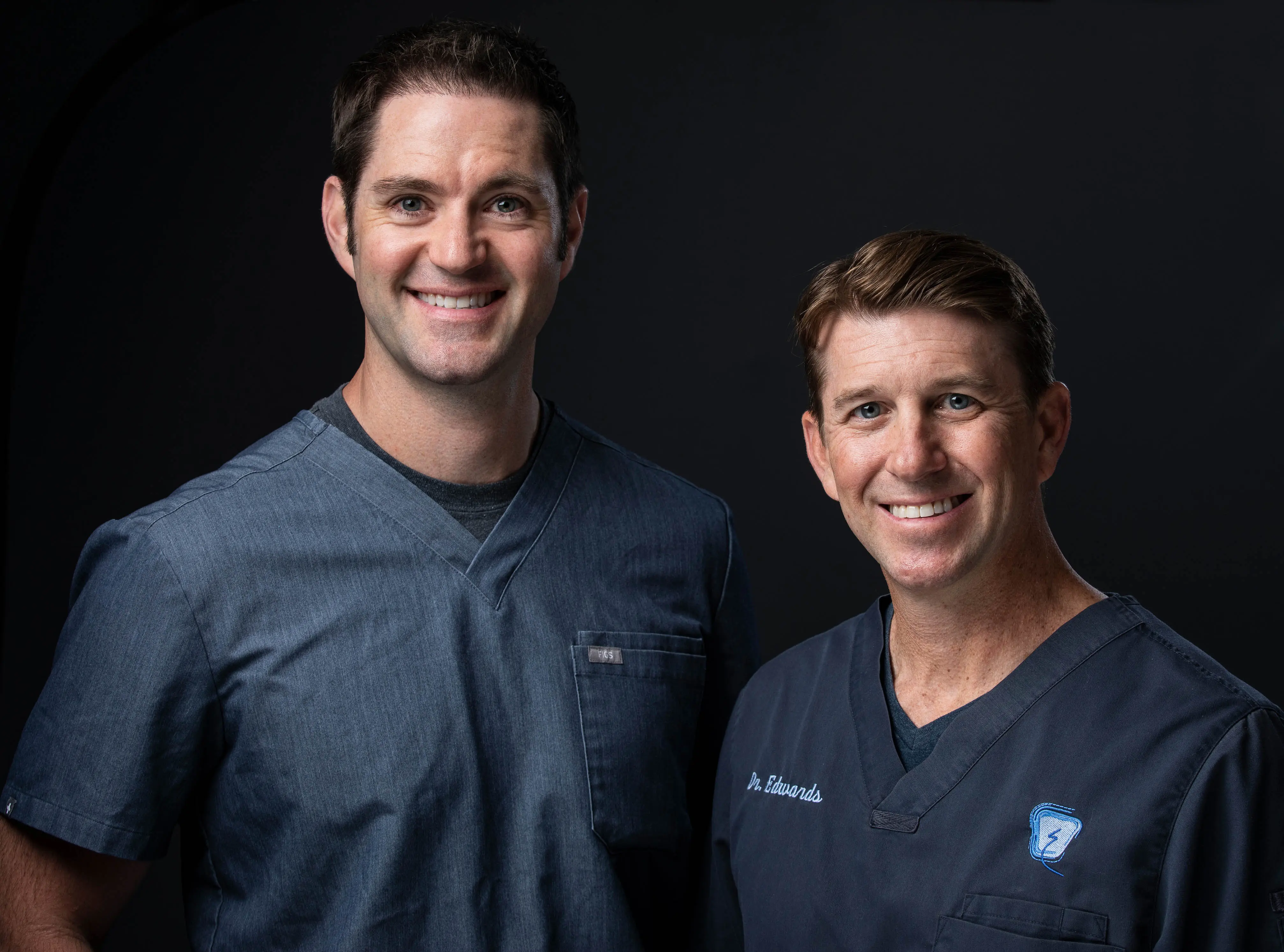
Dedication to providing the best periodontal care to Indianapolis and Fishers isn't just something Drs. Edwards and Christman talk about. They have gone above and beyond what most periodontists do to master his field of work. They have sought out further education to bring the most promising new treatments to their patients.
Oral Cancer Screening at Implant Dentistry and Periodontics
Oral cancer screening takes place during every routine checkup. Most of the screening is done through visual and hands-on methods, where we carefully examine your mouth and throat for any signs of lesions. If detected, we will take biopsies of the suspicious growth or sore to determine if it is cancerous. If the biopsy returns from the lab positive, we will refer you to local cancer specialists, helping ensure you the most effective treatment possible.
Treatment Options
If the results of the biopsy confirm that you do indeed have oral cancer, there are several treatment options that we will discuss with you. Having an obvious tumor removed is one method for addressing oral cancer. Radiation therapy or chemotherapy in addition to radiation is another common method for treating oral cancer. Especially in cases where the affected area involves a significant amount of tissue, this approach will target the cancerous cells and protect your tissue that is healthy.
The best approach to treating your oral cancer is to develop a unique treatment plan with Implant Dentistry and Periodontics that is based on your oral health history, your current oral health issues, the severity of your case, and what type of post-treatment care will be most effective in helping you recover and minimize your chances of developing any further issues.

At Implant Dentistry and Periodontics, we offer a wide range of periodontal and dental implant services. Our caring and compassionate team has one collective priority and that is your smile.
Contact Our Team Today
Preventing Oral Cancer
Before we propose self-exams at home, it is also strongly suggested that you have regular checkups every six months. This is important for all facets of your oral hygiene, but as you can see, it also includes oral cancer screening. You can practice monthly self-exams. If you are not doing so now, please follow these step-by-step instructions.
- If applicable, remove your dentures or other orthodontic appliances.
- Tilt your head to examine the roof of your mouth in the mirror.
- Examine your gums and feel them to see if there are any abnormalities or new growths.
- Use your index fingers to stretch out your cheeks. As you do this, closely observe the surrounding teeth and gums to look again for any abnormalities or new growths.
- Massage or prod your jaw and/or neck to see if there are any signs of enlarged glands or lumps.
In addition to this self-exam, be sure to contact Implant Dentistry and Periodontics if you are experiencing or notice any of the following for a prolonged period:
- Chronic cough, hoarseness, or sore throat
- Sores that are bleeding or do not heal
- Difficulty swallowing
- Red and white patches
- Lumps and/or masses that suddenly develop in your neck
If you have experienced any suspicious changes to your oral health, it is quite critical that you schedule an appointment with Implant Dentistry and Periodontics as soon as possible. We understand the common urge to ignore issues until they go away but addressing certain issues early can sure help prevent serious issues from developing.
State of the Art Technology
For Advanced Periodontics
Offering the best periodontal care in the world requires the most advanced technology in the world. Drs. Edwards and Christman are always in search of new ways to provide patients with better results and do so in a way that minimizes pain and recovery time. They are also happy to adopt technologies that make it easier to communicate with patients and allow us to do our jobs in more environmentally friendly ways.
Earning your Trust with High Quality Periodontal Care
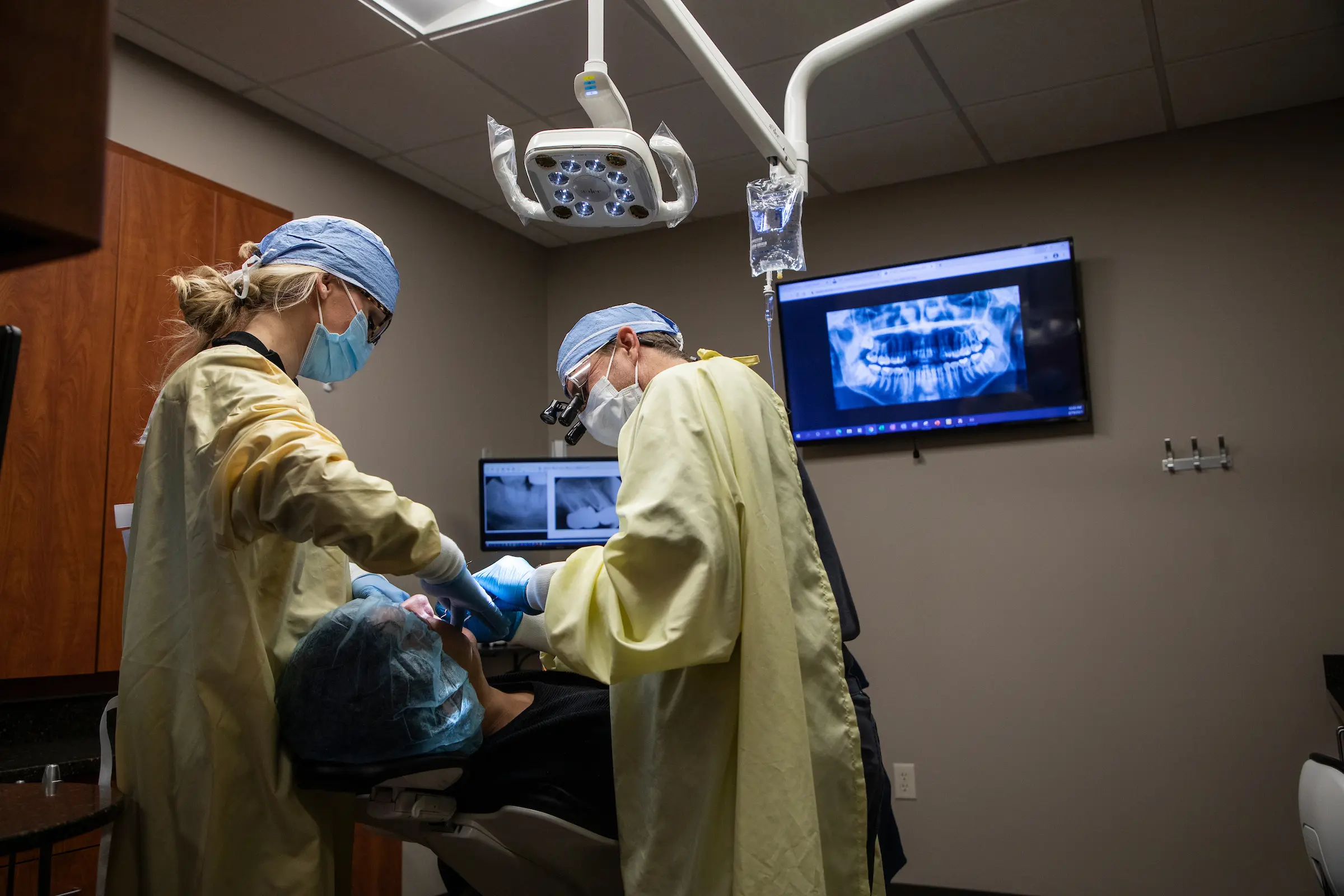
At Implant Dentistry and Periodontics, we know that every patient comes to us with different concerns. Before recommending treatment, we want to hear what's bothering you, what you'd like to accomplish, and what your budget is. From there, we'll go over your options and help you decide what makes the most sense for your situation. Our office also uses modern dental technology to assist with planning and treatment.
We know that dental appointments aren't exactly something most people look forward to. That's why we make a point of explaining what to expect, giving you time to ask questions, and doing what we can to keep you comfortable during your visit. If you'd like to schedule an appointment, you can reach our Indianapolis office at 317-574-0600, located at 8801 North Meridian St., Suite 103, or our Fishers office at 317-842-2273, located at 9885 E. 116th St., Suite 300.