

Ridge Augmentation
Indianapolis & Fishers, IN
At Implant Dentistry and Periodontics, we offer a wide range of periodontal and dental implant services. Our caring and compassionate team has one collective priority and that is your smile.
A ridge augmentation involves placing a bone graft directly into the empty socket where a tooth's roots used to be
After a tooth is removed, the jawbone around the empty socket begins to change. Over time, the bone can lose some of its height and width, leaving an indentation where the tooth once stood. This can affect the appearance of your gums and make replacing the missing tooth with a dental implant more difficult. Ridge augmentation is a procedure that helps rebuild bone in areas where this type of loss has occurred.
During ridge augmentation, bone grafting material is placed along the jaw where additional bone is needed. The material provides a framework for new bone to develop as the area heals. Depending on your situation, a graft may be placed at the time of a tooth extraction to help preserve the existing bone, or a separate procedure may be performed later to rebuild an area that has already experienced bone loss.
One of the main reasons for ridge augmentation is to prepare the jaw for dental implants. Implants need enough healthy bone around them to remain stable, and sometimes there simply isn't enough available. Adding bone to an area that's become too narrow or shallow can make implant placement possible. Ridge augmentation may also be performed to improve the shape of the jaw and gums, particularly when bone loss has left a noticeable indentation in your smile.
Not everyone who loses a tooth will need this procedure. How much bone you've lost, where the missing tooth was located, and what type of restoration you're considering will all factor into the decision. Healing time also varies, and some patients may need to wait several months before an implant can be placed.
At Implant Dentistry and Periodontics, we can examine your jawbone and determine whether ridge augmentation would be beneficial. If you're considering dental implants or have concerns about bone loss following a tooth extraction, call our Indianapolis office at 317-574-0600 or our Fishers office at 317-842-2273 to schedule a consultation.
Award Winning Periodontics
in Indianapolis and Fishers
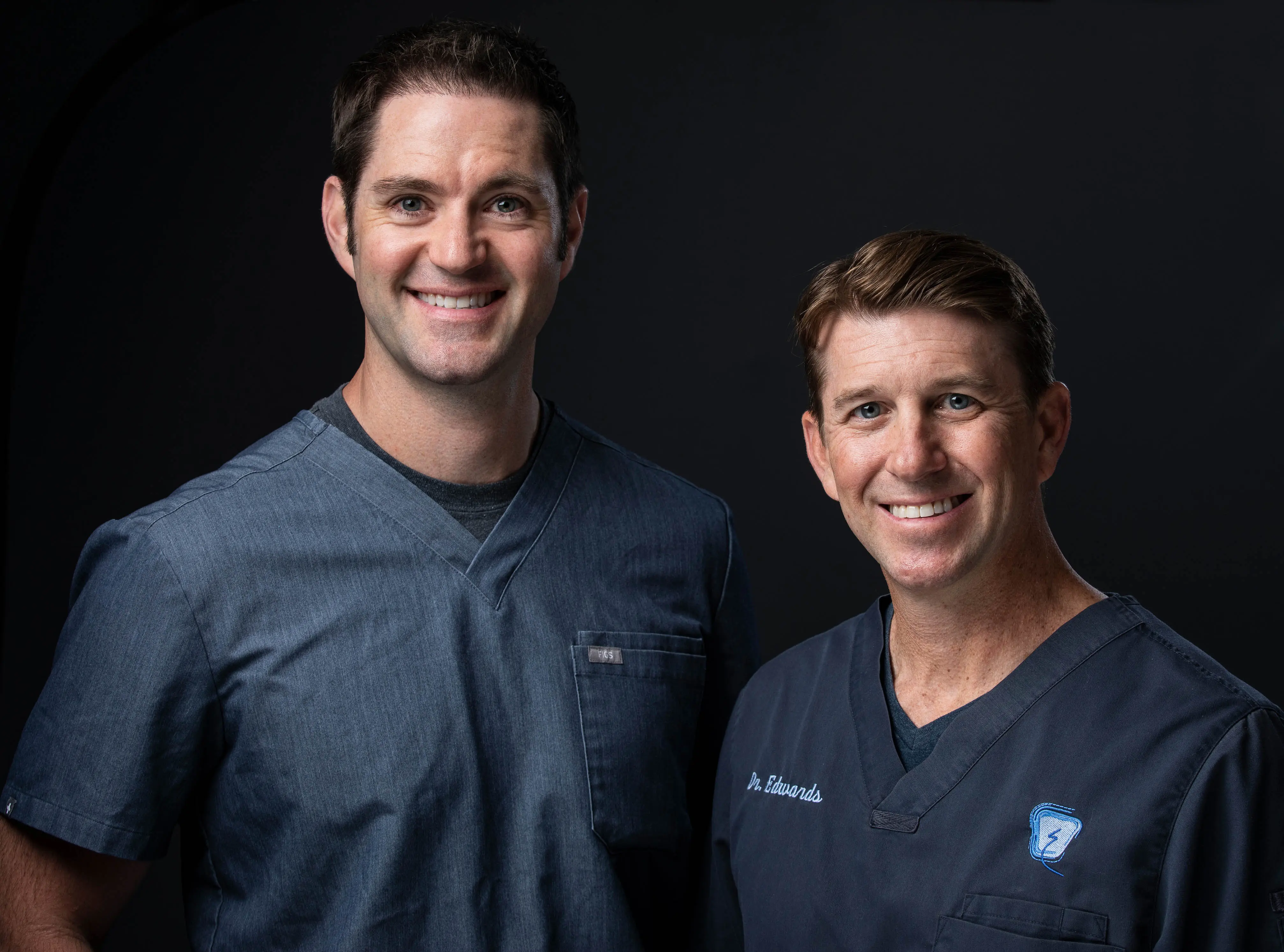
Dedication to providing the best periodontal care to Indianapolis and Fishers isn't just something Drs. Edwards and Christman talk about. They have gone above and beyond what most periodontists do to master his field of work. They have sought out further education to bring the most promising new treatments to their patients.
Recovering from Ridge Augmentation Surgery
Ridge augmentation will vary for everyone, but it might take a year to totally recover from your procedure. Implant Dentistry and Periodontics will discuss with you your recovery plan.
After your ridge augmentation procedure, you will be advised to avoid hard foods. It is also a good idea to avoid sipping through a straw or smoking. It is also not uncommon for you to have trouble chewing and talking after your ridge augmentation procedure.
Once you have completed your recovery process, the best thing you can do is to continue to practice good oral hygiene habits. Brush your teeth twice daily for at least two minutes each time and continue flossing regularly.
Along with your at-home care practices, we will want you to schedule consistent checkups every six months. During these routine checkups, we will conduct deep cleanings and monitor the overall state of your oral health, identifying issues before they develop.
Are You a Candidate for a Ridge Augmentation?
Your jawbone begins to deteriorate the second a tooth falls out. When there is a space missing in your jawbone, your bite pressure is not evenly distributed, leaving the jawbone unchallenged and causing it to weaken. It is particularly important to replace a tooth before your jawbone deteriorates too much. If your jawbone has deteriorated such that it cannot withstand the strength of an implant, a ridge augmentation will be needed to reverse this process.
A bone graft procedure can strengthen a jawbone around the missing tooth. The ridge augmentation will need months to heal, but when it is ready, an implant can be placed and can remain stable in the jawbone.

At Implant Dentistry and Periodontics, we offer a wide range of periodontal and dental implant services. Our caring and compassionate team has one collective priority and that is your smile.
Contact Our Team Today
Ridge Augmentation Procedure
During the ridge augmentation procedure, Implant Dentistry and Periodontics will place soft gum tissue or hard bone tissue in the area that needs to be managed. This surgical technique augments the bone or gum tissue of the section in the mouth for both functional and cosmetic purposes.
After the bone gains more width or height, the new dental implant will have more stability in your jawbone. We may recommend the ridge augmentation procedure for your aesthetic concerns as well.
There are two types of ridge augmentation procedures: Either soft tissue or hard tissue.
If you are undergoing a soft tissue procedure, which is usually done for aesthetic reasons, we will numb the area before the procedure begins. Implant Dentistry and Periodontics will then make an incision to expose the site. Next, we will obtain a soft tissue graft from the roof of the mouth or another substitute for soft tissue and insert the graft. We will then suture the area to begin the healing process.
If you are to undergo a dental implant placement, a hard tissue graft may be required. The area will again be numbed before the procedure begins. Next, we will make an incision and lift the gum away to reveal the defective bone. The bone graft Implant Dentistry and Periodontics will use will be secured from either another area within your mouth or from another source. After the bone graft is in place, we will reposition your gum tissue and suture over the graft.
State of the Art Technology
For Advanced Periodontics
Offering the best periodontal care in the world requires the most advanced technology in the world. Drs. Edwards and Christman are always in search of new ways to provide patients with better results and do so in a way that minimizes pain and recovery time. They are also happy to adopt technologies that make it easier to communicate with patients and allow us to do our jobs in more environmentally friendly ways.
Earning your Trust with High Quality Periodontal Care
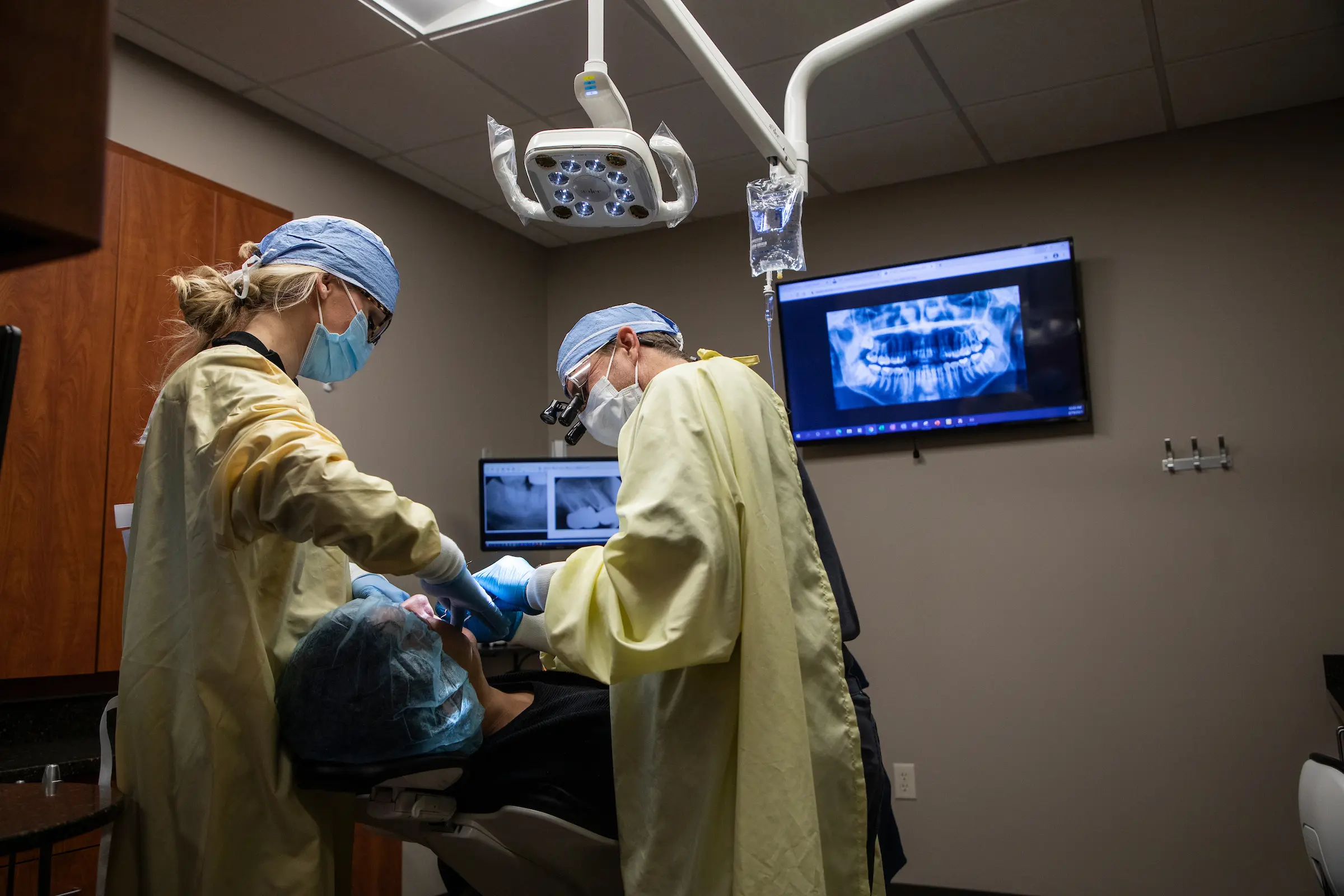
At Implant Dentistry and Periodontics, we know that every patient comes to us with different concerns. Before recommending treatment, we want to hear what's bothering you, what you'd like to accomplish, and what your budget is. From there, we'll go over your options and help you decide what makes the most sense for your situation. Our office also uses modern dental technology to assist with planning and treatment.
We know that dental appointments aren't exactly something most people look forward to. That's why we make a point of explaining what to expect, giving you time to ask questions, and doing what we can to keep you comfortable during your visit. If you'd like to schedule an appointment, you can reach our Indianapolis office at 317-574-0600, located at 8801 North Meridian St., Suite 103, or our Fishers office at 317-842-2273, located at 9885 E. 116th St., Suite 300.